
Learn fish farming in Bangladesh with modern methods like biofloc , home fish farming, ponds, tanks, and profitable techniques. With advancements like biofloc, automatic fishing farm systems, and modern farming equipment, the industry is evolving rapidly.
What Is Fish Farming?
Fish farming, also known as aquaculture, is the practice of breeding, raising, and harvesting fish in controlled environments such as ponds, tanks, or cages. Unlike traditional fishing, fish farming allows farmers to manage water quality, feed, and fish health, resulting in higher productivity and profit. Today, it is practiced on small household levels as well as large commercial scales.

Current Scenario
Bangladesh has grown significantly over the last two decades. The country is one of the world’s leading fish-producing nations due to its favorable climate, abundant water resources, and skilled farmers. Popular species include Rui, Katla, Tilapia, Pangas, and Chingri (shrimp).
Government support, training programs, and access to modern equipment have helped farmers improve yield and quality. Both rural and urban entrepreneurs are now investing in fish farming ponds and tanks to meet rising market demand.
Biofloc Fish Farming: A Modern Solution
Biofloc fish farming is a revolutionary technique that is gaining popularity in Bangladesh. In this system, beneficial microorganisms convert waste materials into protein-rich feed, improving water quality and reducing feed costs.
Benefits of Biofloc Fish Farming
- Requires less water compared to traditional ponds
- High fish density and faster growth
- Lower disease risk
- Environment-friendly and sustainable
Bangladesh is especially popular for Tilapia, Pangas, and shrimp farming. Many farmers are adopting biofloc systems using tanks made of tarpaulin or concrete.
Automatic Fishing Farm Systems
An automatic fishing farm uses advanced technology such as automatic feeders, water quality sensors, and oxygen controllers. These systems reduce manual labor and ensure precise feeding and water management.
Advantages of Automatic Fishing Farm
- Saves time and labor cost
- Reduces feed waste
- Improves fish growth rate
- Suitable for commercial fish farming
Automatic systems are becoming more common in large farming ponds and indoor fish farming tanks across Bangladesh.
Fish Farming at Home: Small-Scale Opportunities
Fish farming at home is an excellent option for beginners and urban households. With limited space, people can start fish farming using small tanks, plastic drums, or rooftop setups.
Popular Choices for Home Fish Farming
- Tilapia
- Thai Pangas
- Koi fish
Home-based fish farming requires basic fish farming equipment such as air pumps, filters, and quality feed. It can provide fresh fish for family consumption and extra income.
Fish Farming Equipment
Using the right equipment is essential for successful operations. Modern equipment helps maintain water quality, prevent disease, and maximize profit.
Essential Equipment
- Aerators and oxygen pumps
- Automatic feeders
- Water testing kits
- Fish nets and grading tools
- Biofloc tanks and liners
High-quality equipment is especially important for biofloc and intensive fish farming tanks.
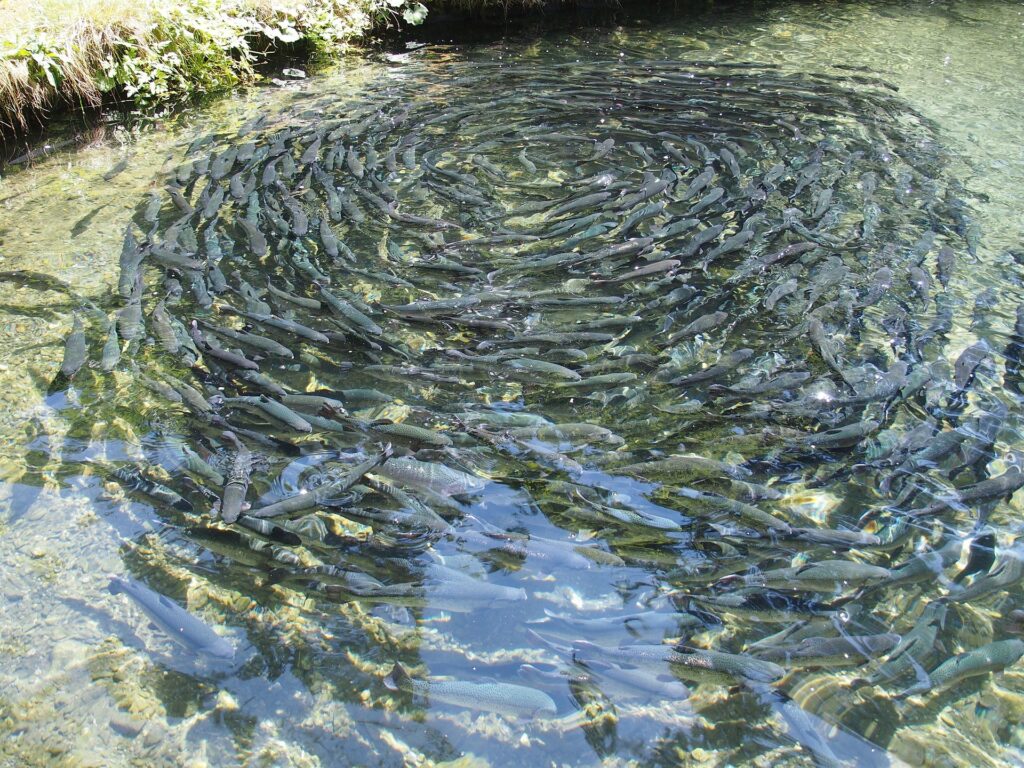
Fish Farming Ponds vs Fish Farming Tanks
Both fish farming ponds and tanks have advantages depending on scale and budget.
Ponds
- Suitable for rural areas
- Lower initial cost
- Uses natural water resources
Tanks
- Ideal for urban and indoor farming
- Better control over water quality
- Perfect for biofloc systems
Many farmers in Bangladesh use a combination of ponds and tanks to diversify production. You also visit my sit in another section.
Salmon Fish Farm: Is It Possible in Bangladesh?
A salmon fish farm requires cold water and specific environmental conditions, making it challenging in Bangladesh’s warm climate. However, with advanced temperature-controlled fish farming tanks and recirculating aquaculture systems (RAS), experimental salmon farming is possible on a limited scale. Currently, salmon farming is more feasible in colder regions, but technology may open new opportunities in the future.
Chingri : High-Profit Aquaculture
Chingri (shrimp farming) is one of the most profitable sectors in Bangladesh. Shrimp is a major export product, contributing significantly to foreign exchange earnings.
Key Requirements for Chingri Farming
- Brackish or saline water
- Proper pond preparation
- Disease control and quality feed
Biofloc techniques are now also being tested in chingri farming to improve sustainability and reduce environmental impact.
Future of Fish Farming in Bangladesh
The future of fish farming in Bangladesh looks promising due to rising population, increasing protein demand, and technological innovation. Biofloc farming, automatic fishing farm systems, and smart monitoring tools will play a major role in sustainable growth.
Government initiatives, private investment, and farmer training programs will further strengthen the sector. Whether it’s fish farming at home or large commercial fish farming ponds, opportunities are expanding every year. If you want to know more , you can visit this site.
Bangladesh is a country blessed with rivers, wetlands, and a climate well suited for aquatic production. Over the past few decades, aquaculture has transformed from a traditional rural activity into a modern, technology-driven industry. With the introduction of advanced methods such as biofloc systems, automatic feeding technologies, indoor tank culture, and smart water management, aquatic production is becoming more efficient, profitable, and sustainable than ever before.
This comprehensive guide explores the current state of aquaculture in Bangladesh, modern production methods, required equipment, profitable species, small-scale home opportunities, and future prospects for farmers and entrepreneurs.
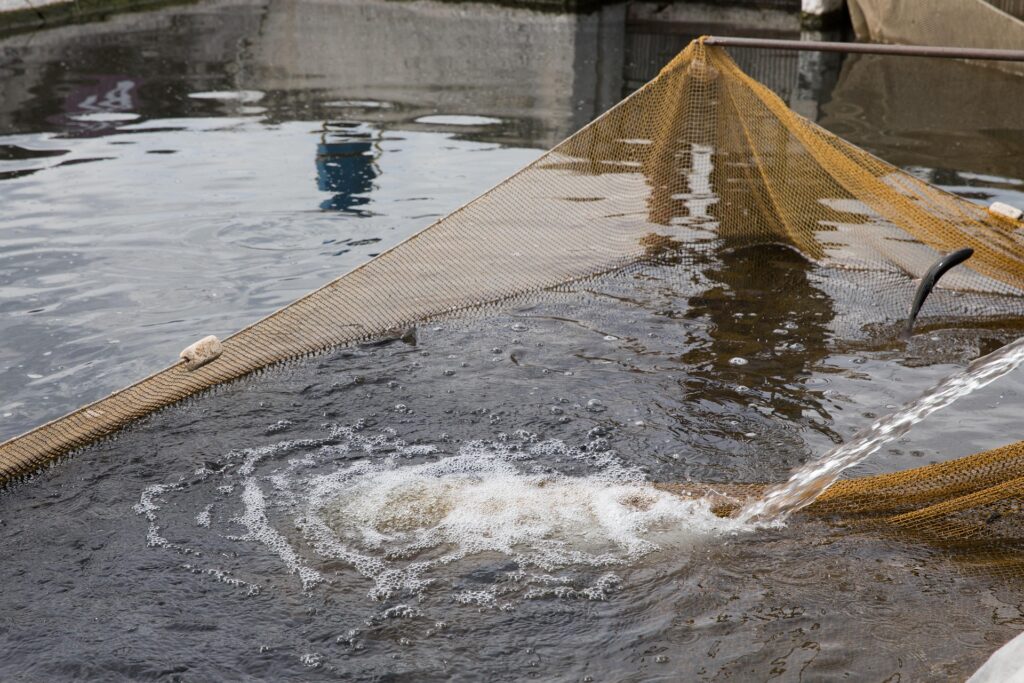
What Is Aquaculture?
Aquaculture is the practice of breeding, rearing, and harvesting aquatic organisms such as fish, shrimp, and crabs in controlled environments. These environments may include earthen ponds, concrete tanks, plastic-lined reservoirs, cages, or indoor systems with recirculated water.
Unlike capture fishing, aquaculture allows producers to control stocking density, feeding, water quality, and disease prevention. This controlled approach leads to higher productivity, predictable output, and improved income stability. Today, aquaculture is practiced at household, community, and commercial levels across Bangladesh.
Current Aquaculture Scenario in Bangladesh
Bangladesh ranks among the world’s leading fish-producing countries. The sector contributes significantly to national GDP, nutrition, and employment. Millions of people are directly or indirectly involved in hatcheries, feed mills, transportation, processing, and export activities.
Popular Cultured Species
Some of the most commonly cultivated species include:
- Rui (Rohu)
- Katla
- Mrigal
- Tilapia
- Pangas
- Koi
- Chingri (Shrimp)
Favorable weather, fertile water bodies, and local expertise have helped farmers achieve high yields. Government support through training programs, subsidies, and extension services has further accelerated growth.
Urban investors are also entering the sector using tanks, rooftop setups, and indoor systems, proving that aquaculture is no longer limited to rural areas.
Biofloc Technology: A Game-Changer
Biofloc technology is one of the most innovative advancements in aquaculture. It works by promoting the growth of beneficial microorganisms that convert waste materials (such as ammonia) into protein-rich biomass, which aquatic species can consume as natural feed.
How Biofloc Works
Continuous aeration keeps flocs suspended in water
Carbon sources balance the carbon-to-nitrogen ratio
Microbes recycle waste into usable nutrients
Water exchange is minimal
Although initial costs are high, RAS is gaining attention among commercial investors and research institutions in Bangladesh.
Salmon Culture: Is It Realistic?
Salmon requires cold, oxygen-rich water, which is not naturally available in Bangladesh. However, experimental production is possible using temperature-controlled tanks and RAS technology.
Currently, salmon culture remains economically challenging and is limited to research or pilot projects. However, as technology becomes cheaper, limited commercial trials may become feasible in the future. Smart systems, mobile apps, artificial intelligence, and data-driven management will define the next phase of growth.